
Last Updated: November 12, 2026
Quick Summary
The 54 movie is a 1998 American drama directed and written by Mark Christopher that dramatizes the rise and fall of Studio 54, the Manhattan nightclub that defined disco-era nightlife. It follows Shane O’Shea, a young Jersey boy who talks his way past the velvet rope, and it is a dramatization rather than a documentary.
- Ryan Phillippe plays Shane O’Shea, Salma Hayek plays Anita, and Mike Myers plays Steve Rubell.
- The director’s cut restores Shane’s arc, Anita’s subplot, the club’s darker side, and a different ending.
- The theatrical cut appears on streaming services more often than the director’s cut.
- Critical reception at release was mixed, praising the visuals and Myers’s transformation.
- Confirm which cut you are renting before you commit, since the two are listed separately.
Table of Contents
- What the 54 Movie Gets Right and Wrong About the Real Studio 54
- The 54 Movie Cast and the Characters They Play
- How the 54 Director’s Cut Changes the Theatrical Release
- Critical Reception and the Cultural Legacy of Studio 54
- Where to Watch 54 Today: Streaming, DVD, and Rental Options
- Why 1970s Nightlife Still Resonates With Audiences Today
- Finding Balance When Life Feels Like a Nonstop Party
- Frequently Asked Questions
What the 54 Movie Gets Right and Wrong About the Real Studio 54
The 54 movie is a 1998 American drama that dramatizes the rise and fall of Studio 54, the Manhattan nightclub that defined disco-era nightlife. Directed and written by Mark Christopher, the film follows Shane O’Shea, a young Jersey boy who talks his way past the velvet rope and into a world of celebrity, excess, and consequence.
Here is the first thing to know: the 54 movie true story is a dramatization, not a documentary. The real club opened in 1977 and became the social center of New York City, drawing the social elite, artists, and musicians into a room where disco music and decadence set the tone. Co-owners Steve Rubell and Ian Schrager built that reputation, and Rubell’s habit of working the door himself made the club feel curated rather than open.
The film compresses years of club culture into a tight storyline, and it invents characters like Shane to give the audience a guide. Rubell appears as a central figure, but the screenplay takes liberties with how the club’s legal troubles unfolded.
What the 54 movie gets right is atmosphere: the crowd, the lighting, the sense that the room rewarded boldness. What it gets wrong is the timeline. If you want the documented history, the Smithsonian’s coverage of Studio 54 and 1970s nightlife is a better starting point than any feature film.
The Real Club Behind the 54 Movie True Story
Studio 54 was a Manhattan nightclub in the former CBS Opera House, and its run was short but loud. It became a symbol of 1970s excess, then closed amid legal problems for its owners. The 54 movie true story borrows that arc but reshapes it around one fictional young man’s point of view.
The 54 Movie Cast and the Characters They Play
The 54 movie cast pairs a young lead with two established stars. Ryan Phillippe plays Shane O’Shea, the Jersey boy who becomes a bartender and then a fixture of the room. Salma Hayek plays Anita, a fellow staff member with her own ambitions. Mike Myers plays Steve Rubell, a casting choice that surprised audiences at the time and remains the film’s most discussed performance.
Around that core, the ensemble cast fills out the club: bartenders, dancers, and hangers-on who represent different ways people chase big-city life. The characters are composites. None of them map cleanly onto a single real person, and that is deliberate. The screenplay uses them to show how nightlife can lift someone up and then quietly take something back.
For readers who enjoy this kind of number-titled film retrospective, our piece on what makes the number 43 movie distinctive covers a different film’s cast and reviews in the same format.
How the 54 Director’s Cut Changes the Theatrical Release
The 54 director’s cut is not a light re-edit. It is a reconstruction of a film that was taken away from its director before it reached theaters. Understanding that history is the only way to make sense of why two versions of the same movie feel like different films.
Mark Christopher wrote and directed the 1998 theatrical release, but the studio recut it before release, softening the club’s darker material and pushing the story toward a more conventional rise-and-fall arc. Years later, Christopher revisited the footage and rebuilt the film closer to his original script. The result is the director’s cut, which restores additional material the theatrical version left out.
What that restored footage actually changes:
- Shane’s arc. The theatrical cut keeps Shane’s story largely external, focused on his climb through the club. The director’s cut restores scenes that make his relationships and his compromises more explicit, so his arc reads as a fall rather than a rise.
- Anita’s subplot. Salma Hayek’s character gains screen time and motivation in the longer version. In the theatrical cut she is a supporting presence; in the director’s cut her ambitions and choices carry more weight.
- The club’s darker side. The theatrical release trims the drug use, the transactional relationships, and the sense that the room consumes people. The director’s cut puts that material back, which changes the film’s tone from period drama to cautionary story.
- The ending. The two versions resolve Shane’s story differently, and the director’s cut ending is the one Christopher intended.
Watch out: the two cuts are often listed separately by retailers and streaming services, and the theatrical version circulates more widely. If you search for “54” and only one result appears, confirm which cut you are renting before you commit.
If you are choosing between them, start with the director’s cut. The theatrical version is a useful comparison afterward, but the longer cut explains why the film has defenders and why it was rediscovered years after its release. For readers who enjoy this kind of number-titled film retrospective, our piece on what makes the number 43 movie distinctive covers a different film’s cast and reviews in the same format.
Critical Reception and the Cultural Legacy of Studio 54
Critical reception at release was mixed. Film reviews praised the visuals and Myers’s transformation while arguing the plot leaned on familiar rise-and-fall beats.
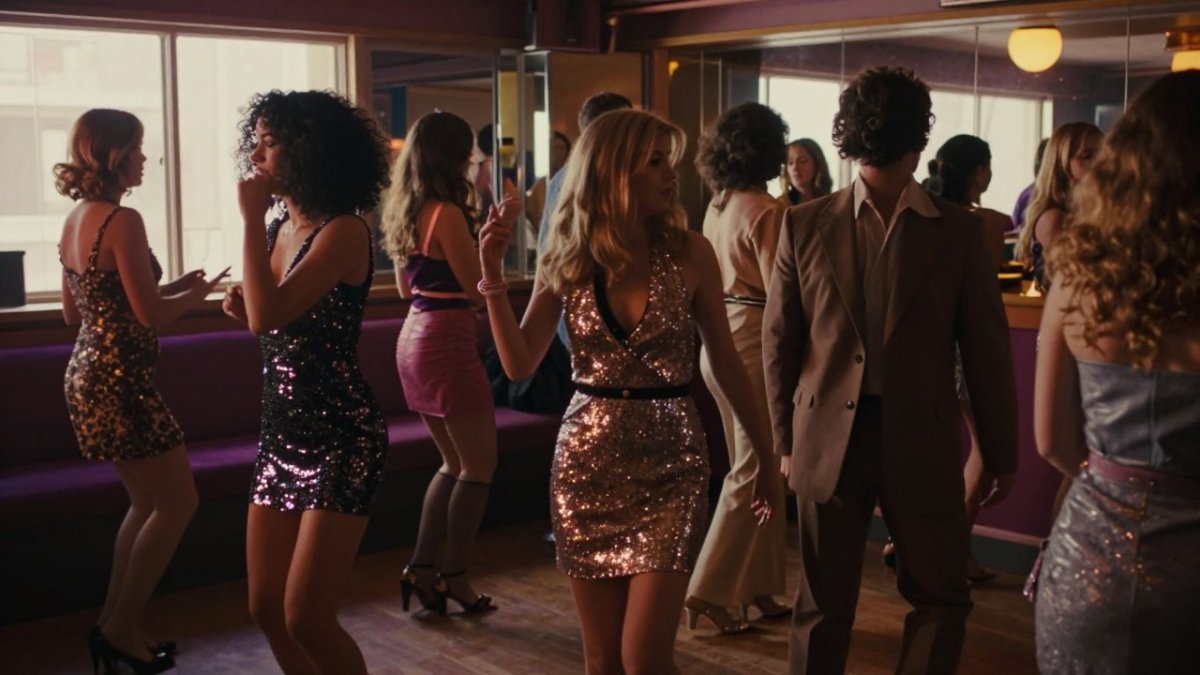
The cultural legacy belongs mostly to the club, not the film. Studio 54 remains shorthand for a specific moment in New York City, when disco, celebrity, and club culture collided. The 54 movie is one of the few mainstream films to dramatize that moment, which is why it keeps getting rediscovered.
Where to Watch 54 Today: Streaming, DVD, and Rental Options
Where to watch 54 depends on which cut you want, and availability shifts as licensing changes. The director’s cut and the theatrical version are not always offered in the same place, so check before you commit to a rental.
A dated, region-aware guide is more useful than a static list, because streaming rights for a 1998 catalog title move often. As of late 2026, the practical landscape in the United States looks like this:
- Subscription streaming. The theatrical cut appears on ad-supported and subscription services more often than the director’s cut. Search both titles by name, since the two cuts are frequently listed as separate entries with different artwork.
- Digital rental and purchase. Major digital storefronts carry the theatrical release more reliably than the director’s cut. If the longer version is listed, confirm the runtime before you buy, because storefront descriptions are sometimes copied from the theatrical release.
- DVD and Blu-ray. Check the back cover for the runtime and for a label confirming which cut is included.
- Repertory screenings. Independent theaters and film series occasionally program the director’s cut, sometimes with a Q&A. These are worth watching for if you want to see the longer version on a big screen.
| Version | What You Get | Best For |
|---|---|---|
| Theatrical release | Tighter runtime, original studio cut | First-time viewers, casual rental |
| Director’s cut | Restored footage, fuller subplots, original ending | Fans, film students, rewatch |
| DVD or Blu-ray | Both cuts plus extras | Collectors who want the trailer and bonus material |
Watch out: availability changes by country and by month, and a title that is streaming free today can move behind a paywall next quarter. Confirm the cut and the platform on the day you plan to watch rather than relying on an older listing.
Best for: anyone who wants the complete picture. Skip if: you only have time for a light period drama.
Why 1970s Nightlife Still Resonates With Audiences Today
1970s nightlife still resonates because the era’s club culture was about belonging as much as music. Studio 54 promised entry into a room where status was fluid, and that promise is timeless. Audiences return to the era for the fashion, the disco soundtrack, and the honesty in the film’s second half about what that lifestyle costs.
If the celebrity side of the decade interests you, our breakdown of 50 Cent’s music, movie, and business career traces a different era’s crossover between entertainment and enterprise.
Finding Balance When Life Feels Like a Nonstop Party
A nonstop party is thrilling for a season and exhausting over years. That pattern is not unique to nightlife. Many people in demanding careers, high-pressure social lives, or chronic stress cycles describe the same arc the 54 movie traces: the room feels electric, then the recovery gets harder, then the coping gets louder.
Watch out: the most common mistake is treating exhaustion and low mood as a scheduling problem when they may be signs worth discussing with a clinician.
At Solid Foundation Psychiatry, we offer personalized treatment plans and a collaborative style of care, including medication management and specialized treatments such as TMS and Esketamine for appropriate candidates. If you recognize the burnout pattern, our team explains why ADHD can feel like an emotional rollercoaster and what helps.
You do not need to be in crisis to ask a question. If you are in Pearland, TX or the greater Houston area and want to talk through stress, insomnia, or mood changes, book an appointment with our team and start with a conversation, not a commitment.
The distance between a great night and a sustainable life is usually support. Solid Foundation Psychiatry offers personalized treatment plans, a non-judgmental approach, and specialized options including TMS and Esketamine, all built around your needs. Get started with Solid Foundation Psychiatry and take the first step toward steadier ground.
This is informational only, not emergency care, and not a substitute for medical advice.
Frequently Asked Questions
Is the 54 movie based on a true story?
Yes, the 54 movie is inspired by the real Studio 54 nightclub that operated in Manhattan from 1977 to 1980. The film’s central character, Shane O’Shea, is a fictional composite, while the club’s owners were real people. The movie dramatizes the club’s rise and fall, though it takes creative liberties with timelines and specific events for narrative effect.
Who stars in the 54 movie cast?
The 54 movie cast includes Ryan Phillippe as Shane O’Shea, Salma Hayek as Anita Randazzo, and Mike Myers as Steve Rubell. Additional cast members appear throughout the ensemble.
What is the difference between the 54 director’s cut and the theatrical version?
The 54 director’s cut was released on home video years after the 1998 theatrical release and re-edits the film to better match director Mark Christopher’s original vision.
Where can I watch the 54 movie today?
Availability for where to watch 54 varies by platform and region. Availability varies by platform and region, and physical copies may be found through retailers and secondhand marketplaces. Because streaming rights change frequently, check a current listings site or the movie’s official distributor page to confirm the latest options.
