Last Updated: November 21, 2026
Quick Summary
63 is a natural number between 62 and 64, and it is also the +63 country code for the Philippines. When +63 appears on your phone, the call is originating from or routing to the Philippines, not a U.S. area code or a scam code.
- In math, 63 is a composite number with the factors 1, 3, 7, 9, 21, and 63.
- Philippine mobile numbers use +63 followed by a 10-digit number starting with 9.
- Dial 011 first, then 63, then the area code or mobile prefix without the leading zero.
- Let unfamiliar international numbers go to voicemail before calling back.
- Register your number on the National Do Not Call Registry at DoNotCall.gov.
Table of Contents
- The Many Meanings of 63
- What the +63 Country Code Tells You
- How to Call the Philippines From the United States
- Country Code vs. Area Code: What’s the Difference?
- Handling Unknown International Calls Safely
- When a Strange Number Is Really About Your Health
- Booking Your First Appointment at Solid Foundation Psychiatry
- Frequently Asked Questions
The Many Meanings of 63
Type “63” into a search bar and you will get a split screen of results: a number, a country code, and a jumble of pop culture references. This guide from Solid Foundation Psychiatry untangles all of them, and explains why a strange number on your phone can sometimes connect to your mental health.
63 is a natural number, an integer, and the number that falls between 62 and 64. In math, it is a composite number with four factors: 1, 3, 7, 9, 21, and 63. That is the plain definition. The confusion starts when the same digits show up in a phone number, a song title, or a chromosome reference.
63 as a Number and a Sequence
In a number sequence, 63 sits between 62 and 64, making it the 63rd term in the list of positive integers. It is odd, and it is the sum of the first several powers of two, which is why it appears so often in computing contexts.
You will also find 63 in trivia lists, in song lyrics, and in casual references to chromosomes, where it is sometimes confused with the 46 chromosomes most humans carry. None of these meanings connect to each other.
What the +63 Country Code Tells You
The +63 country code is the international calling code assigned to the Philippines under the E.164 numbering plan maintained by the International Telecommunication Union, the United Nations agency that coordinates global telephone numbering.
International calling codes are managed under that global numbering plan, and each country receives a distinct prefix. The +63 prefix is not a U.S. area code, not a scam code, and not a local Texas number. It is simply the Philippines’ identifier in the international dialing system.
How a +63 Number Is Structured
A Philippine number usually appears in one of two shapes:
- Mobile numbers: +63 followed by a 10-digit number that starts with 9 (for example, +63 9XX XXX XXXX). The leading 0 that Philippine callers use domestically is dropped when the number is written in international format.
- Landline numbers: +63 followed by an area code (such as 2 for Metro Manila) and a 7- or 8-digit local number, again without the domestic leading 0.
U.S. carriers typically display these calls as “+63” or “Philippines” on the caller ID screen, and some VoIP and mobile handsets show only the last several digits. That display behavior is why a +63 call can look unfamiliar even when it is legitimate.
Why a Pearland, Texas Reader Might See +63
For readers in Pearland, Texas, a +63 number on your screen almost always means one of three things:
- A family member or friend calling from abroad. Calls from relatives abroad are a common reason for international numbers to appear on a phone.
- A business contact or service provider with a Philippine-based number, including remote work, customer support, and shipping or logistics contacts.
- An unsolicited call from an unknown international source, which may be legitimate telemarketing, a wrong number, or a spoofed scam attempt.
Telling those apart takes a few seconds of caution, which we cover below. If you are curious how other numbers connect to local life, our guide to what 41 means in Pearland, Texas follows a similar thread.
Country Code vs. U.S. Area Code, in One Line
The +63 code points to the entire Philippines. A U.S. area code, by contrast, narrows a call to a specific part of one state. Confusing the two is one of the most common reasons people misread an incoming number, and the next section breaks the difference down in a table.
How to Call the Philippines From the United States
Calling the Philippines from the United States follows a fixed pattern. The key is the international dialing prefix, often called the IDD, which tells your carrier to route the call outside the country.
Step-by-Step Dialing Instructions
- Dial the U.S. exit code: 011. This signals an international call.
- Enter the Philippines country code: 63.
- Dial the Philippine area code or mobile prefix, without any leading zero.
- Enter the remaining local number.
- Press call and confirm the rate with your carrier before long conversations.
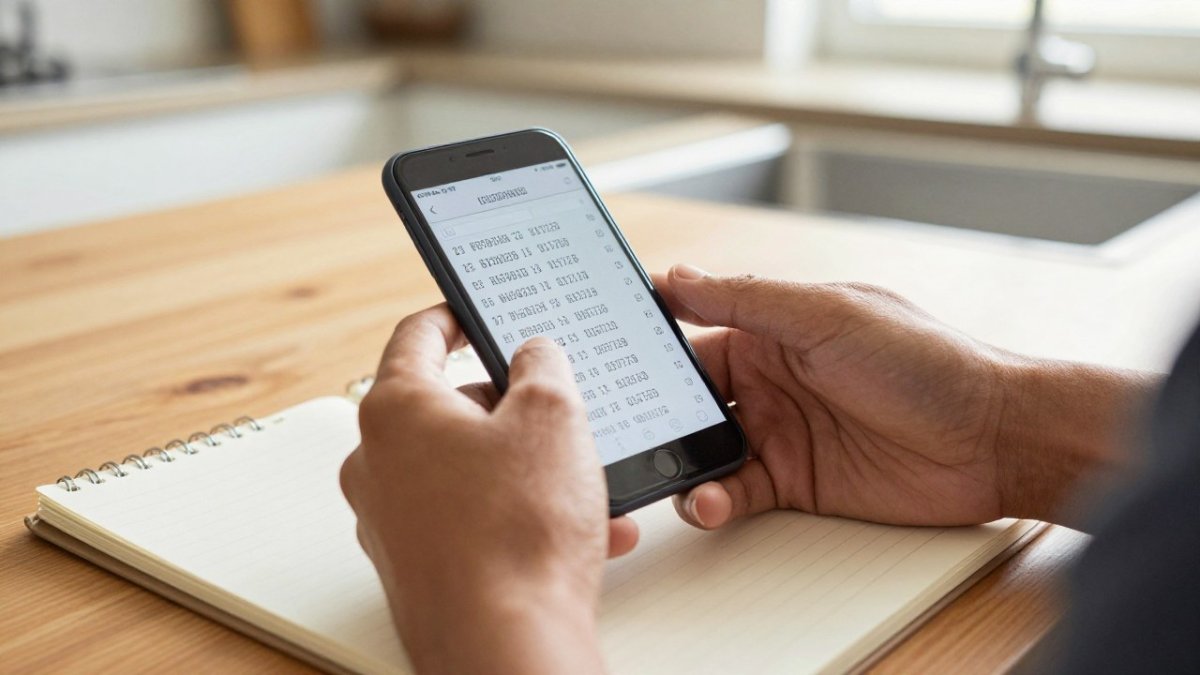
A common mistake is leaving the leading zero on the Philippine number. Another is forgetting the 011 prefix and dialing +63 directly from a landline, which many older phones cannot process. Mobile phones usually accept the + symbol, so +63 followed by the number works from most smartphones.
Country Code vs. Area Code: What’s the Difference?
A country code identifies a nation in the international dialing system, while an area code identifies a region inside a single country. The +63 code points to the entire Philippines.
| Feature | Country Code | Area Code |
|---|---|---|
| Scope | Entire country | Region within a country |
| Example | +63 for the Philippines | 281 or 713 in the Houston area |
| Length | 1 to 3 digits | Usually 3 digits |
| Used for | International calls | Domestic routing |
| Set by | Global numbering plan | National telecom authority |
This distinction matters when you screen calls. A +63 prefix is a country identifier, not a local exchange. For a broader local reference, our Pearland, TX and local mental health care guide connects numbers, place, and community resources in one place.
Handling Unknown International Calls Safely
Unknown international calls deserve caution, not panic. Most +63 calls are legitimate, often from family, friends, or business contacts abroad. A smaller share are spam or scam attempts that spoof foreign numbers to pressure you into acting fast. The Federal Communications Commission (FCC) and the Federal Trade Commission (FTC) both publish consumer guidance on international call scams, and the practical steps below follow that guidance.
Why a +63 Call Can Be Spoofed
Caller ID spoofing is the practice of transmitting a false number so the call appears to come from somewhere it does not. Scammers use it because a foreign-looking prefix creates urgency and makes the call harder to trace. A +63 prefix on your screen is therefore a signal to slow down, not proof of origin.
A Step-by-Step Safety Check for a +63 Call
- Let unfamiliar international numbers go to voicemail first. A legitimate caller will leave a message; a scammer usually will not.
- Do not call back a missed +63 number without verifying it. Return calls to international numbers can carry per-minute charges, and scammers rely on that curiosity. Check the prefix and, if possible, confirm the number through a separate channel (a known family member, a business website, or a message app) before dialing.
- Never share account numbers, passwords, one-time codes, or payment details with an unsolicited caller, even if the caller claims to be from a bank, a delivery company, or a government agency.
- Hang up on pressure and urgency. Requests to act immediately, to pay with gift cards or wire transfers, or to keep the call secret are warning signs the FTC consistently flags.
- Block and report the number. Many carriers offer call-blocking tools in their account settings or mobile app, and you can report unwanted calls to the Federal Trade Commission through its official website.
- Register your number on the National Do Not Call Registry at DoNotCall.gov. The registry does not stop all international calls, but it reduces legitimate telemarketing and makes it easier to report violations.
Watch out: a caller who asks you to “verify” your identity by reading back a code sent to your phone is running a two-factor authentication scam, and the code is the only thing standing between them and your account.
When the Call Is Legitimate
If the call is from a family member or a known contact, save the number in international format (+63 followed by the 10-digit mobile number) so future calls display a name instead of a string of digits. If the call is from a business you do not recognize, look up the company’s official U.S. contact number and call that instead of returning the international number.
When a Strange Call Leaves You Anxious
A common mistake is calling back a missed international number without checking the prefix. Return calls can carry charges, and scammers rely on that curiosity. Verify first, then decide. If a strange call leaves you feeling anxious or on edge for days, that reaction is worth paying attention to, and we explain why next.
When a Strange Number Is Really About Your Health
Sometimes a puzzling number is not the real question.
Stress and anxiety can produce physical signals, including a racing heart, tight shoulders, headaches, and trouble falling asleep. These symptoms are common and treatable, and they do not mean something is wrong with you.
If worry about calls, messages, or unknown numbers is interfering with your sleep, work, or relationships, a professional evaluation can help you sort out what is happening. Our self-assessment guide on when stress needs psychiatric care walks you through the questions we ask in a first conversation, so you can decide whether reaching out makes sense for you.
Watch out: if you ever have thoughts of harming yourself or feel unsafe, that is a medical emergency. Call or text 988, the Suicide and Crisis Lifeline, or go to the nearest emergency department.
Booking Your First Appointment at Solid Foundation Psychiatry
At Solid Foundation Psychiatry, we understand that reaching out is often the hardest step. Solid Foundation Psychiatry provides compassionate, personalized mental health care designed to help you build resilience and restore emotional balance.
Our services include individual therapy, medication management, and specialized treatments such as TMS and Esketamine for treatment-resistant depression. You can review the full range of mental health services in Pearland, TX and request an appointment when you are ready.
A strange number on your phone is usually just a number. When worry about it lingers, or when stress and sleepless nights start stacking up, that is a signal worth acting on.
This is informational only, not emergency care, and not a substitute for medical advice.
Frequently Asked Questions
What does +63 mean on a phone number?
The +63 prefix is the international calling code for the Philippines. When you see a number like +63 2 1234 5678, the +63 replaces the local trunk prefix and signals that the call originates from the Philippines. If you receive a call or text showing +63, someone is contacting you from a Philippine phone line. That could be family, a business contact, or an unsolicited caller. If you do not recognize the number, let it go to voicemail before deciding whether to respond.
How do you call the Philippines from the United States?
Dial 011 (the U.S. international dialing prefix), then 63 (the Philippines country code), then the Philippine area or mobile prefix without the leading 0, then the remaining digits. For example, a Manila landline beginning with 02 becomes 011-63-2-XXXX-XXXX. Mobile numbers usually start with 9 after the country code. Check with your carrier about international calling rates before dialing, since per-minute charges vary widely by plan.
Is 63 an area code in the United States?
No. The United States uses area codes within the North American Numbering Plan, and 63 is not assigned as a domestic area code. When you see 63 at the start of a phone number, it is almost always the Philippines country code preceded by a plus sign. A U.S. number would look like (555) 123-4567 with a three-digit area code. If a caller claims to be local but displays +63, treat that mismatch as a red flag.
Why am I getting calls from a +63 number?
Common reasons include a relative or friend traveling or living in the Philippines, a business with overseas operations, or a wrong-number dial. Scammers also spoof international numbers to pressure people into answering. Do not call back unknown +63 numbers or share personal information. Consider blocking the number through your phone settings and reporting it to the Federal Trade Commission through its official website if the calls persist or feel threatening.
